





Стандартные и премиальные армированные стеклянные шарики с индексом RI 1,5: руководство по максимальной долговечности и производительности.
2026-04-20
Оглавление
В сложном мире светоотражающих материалов часто приходится принимать важные решения, касающиеся видимости и долговечности. Для таких сложных задач, как нанесение дорожной разметки, нанесение покрытий на взлетно-посадочные полосы аэропортов и нанесение прочных промышленных покрытий, выбор правильного светоотражающего материала имеет решающее значение. Среди ведущих игроков, доминирующих на рынке в настоящее время, можно выделить следующие компании: Высококачественные армированные стеклянные шарики с показателем преломления 1,5.. Эти специализированные сферы разработаны для обеспечения оптимального баланса светоотражающей способности и механической прочности. В отличие от базовых аналогов, которые разрушаются при интенсивном движении, этот улучшенный вариант сохраняет структурную целостность, отражая свет непосредственно обратно к источнику. Правильный выбор предотвращает преждевременное разрушение и сокращает дорогостоящие циклы технического обслуживания, обеспечивая хорошую видимость и безопасность поверхностей в течение длительного времени после первоначального нанесения.
Научная основа показателя преломления
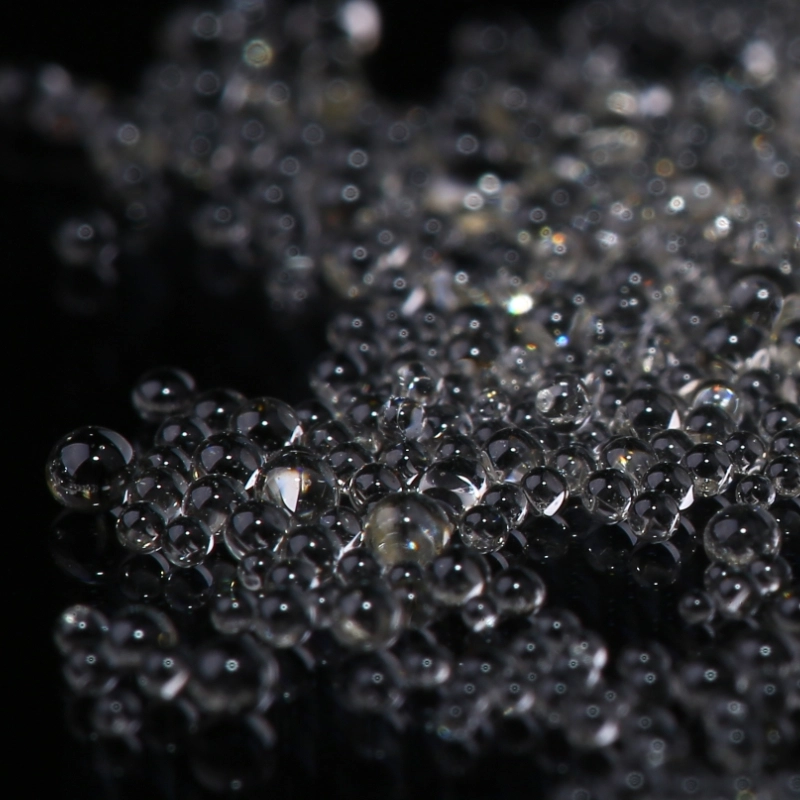
Для понимания основных механических процессов необходимо кратко рассмотреть показатель преломления (ПП) и структурное армирование. ПП 1,5 широко считается оптимальным значением для стандартных дорожных красок и термопластов. Высококачественные армированные стеклянные шарики с показателем преломления 1,5. Встроенные в связующее вещество, эти гранулы собирают свет от фар автомобиля и резко фокусируют его обратно в глаза водителя. Важность маркировки “премиум” и “усиленные” заключается в специализированном процессе производства. Эти гранулы проходят усовершенствованный отжиг, значительно повышающий их сопротивление сжатию и предотвращающий микроскопические трещины. Гранулы более низкого качества часто содержат захваченные пузырьки воздуха или имеют неправильную форму, которые бесполезно рассеивают свет в окружающую среду. Благодаря использованию высокосферической усиленной структуры, обеспечивается максимальная видимость в ночное время без ущерба для физической прочности, необходимой для противостояния сильному трению шин.
Сравнение производительности: объективные данные
Оценка реальных эксплуатационных характеристик выявляет существенные различия между стандартными стеклянными шариками и премиальными армированными вариантами. Рассмотрим сохранение светоотражающей способности после двенадцати месяцев эксплуатации в условиях интенсивного движения. Данные полевых испытаний неизменно показывают, что стандартные шарики теряют до 401 TP3T от своей первоначальной отражательной способности из-за истирания поверхности и разрушения. Напротив, премиальные армированные стеклянные шарики с индексом преломления 1,5 обычно демонстрируют снижение эффективности менее чем на 151 TP3T за тот же период времени. Кроме того, испытания на прочность при сжатии указывают на существенную разницу: премиальные армированные шарики легко выдерживают давление, превышающее 30 000 psi, в то время как стандартные варианты часто разрушаются при давлении около 20 000 psi. Эта измеримая разница в долговечности напрямую приводит к сокращению количества операций по переразметке, что в конечном итоге снижает долгосрочные затраты на материалы и рабочую силу для крупномасштабных инфраструктурных проектов.
Распространенные ошибки и подводные камни в приложениях
Даже высококачественные материалы могут показать низкую эффективность, если игнорировать протоколы установки, что приводит к дорогостоящим переделкам. Часто встречающаяся ошибка на практике связана с неправильной глубиной встраивания. Для оптимальной светоотражающей способности армированные стеклянные шарики Premium RI 1.5 должны быть встраиваны в связующее вещество точно на глубину от 50% до 60%. Если встраивание происходит слишком поздно, шарики остаются на поверхности и быстро срезаются проезжающими автомобилями. Если же шарики наносятся в слишком густое или еще жидкое связующее вещество, они полностью тонут, становясь невидимыми ночью. Еще одна распространенная ошибка — игнорирование влажности окружающей среды во время нанесения. Нанесение этих шариков в условиях высокой влажности без надлежащего влагозащитного покрытия приводит к сильному слипанию и неравномерному распределению. Распознавание и предотвращение этих специфических ошибок при нанесении так же важно, как и выбор самого высококачественного материала.
Рекомендации по оптимальному применению
Для достижения максимальной отдачи от инвестиций необходимо строгое соблюдение надлежащих методов нанесения и технического обслуживания оборудования. Для обеспечения безупречной работы гранул обязательна постоянная калибровка наносимого оборудования перед любым крупномасштабным внедрением.
- Контроль температуры переплета: Убедитесь, что термопластик или краска имеют точно ту вязкость, которая рекомендована производителем, чтобы достичь идеального коэффициента внедрения 50%.
- Проверка скорости потока шариков: Регулярно проверяйте дозаторы, чтобы предотвратить засорение и обеспечить равномерное, перекрывающееся распределение покрытия по всей поверхности.
- Выполните подготовку поверхности: Перед нанесением нового связующего вещества и смеси для армирующих элементов тщательно очистите основание от масла, мусора и старой отслаивающейся краски. Следуя этим рекомендациям, можно в полной мере реализовать исключительную прочность и отражающую способность армированных элементов.
Заключительные мысли об отражающих инвестициях
Инвестиции в высококачественные материалы в конечном итоге определяют успех, долговечность и безопасность любого проекта по нанесению светоотражающего покрытия. Превосходная устойчивость к смятию, оптимальные светоотражающие свойства и долгосрочная экономическая эффективность делают их идеальным выбором. Высококачественные армированные стеклянные шарики с показателем преломления 1,5. Бесспорный лидер в секторе дорожной разметки. Приоритетное внимание к качеству исходного материала в сочетании с точными методами нанесения гарантирует повышенную безопасность и видимость на долгие годы.