

Engineered Visibility: Wet-Condition Reflective Facade Paint
2026-02-03
Driving through heavy rain at night presents one of the most severe challenges for global road safety. When traditional horizontal markings disappear under surface water films, drivers immediately lose crucial spatial references just when they need them the most.
To combat this critical visibility loss, infrastructure engineers are increasingly deploying advanced vertical optical solutions. A high-performance reflective facade paint is now considered an essential material for illuminating hazardous roadside zones, concrete guardrails, and barrier walls.
By utilizing a highly specialized retro-reflective coating, these advanced water-based systems ensure continuous, brilliant visibility. They actively cut through adverse weather conditions and dark environments, providing a continuous optical guidance system that keeps drivers safely on track.
The Physics of Wet-Condition Visibility
Overcoming the Water Film Effect in Heavy Rain
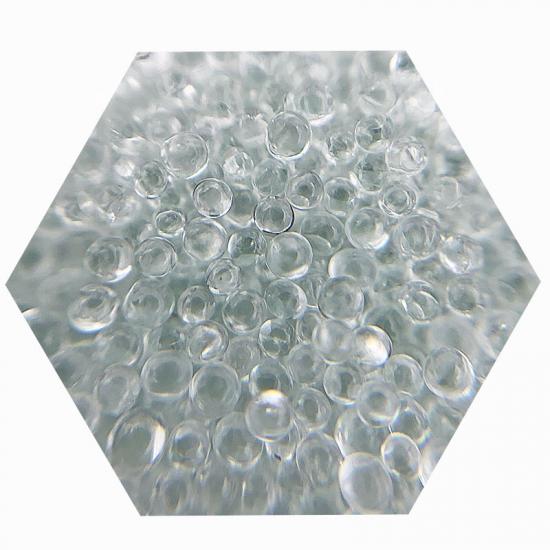
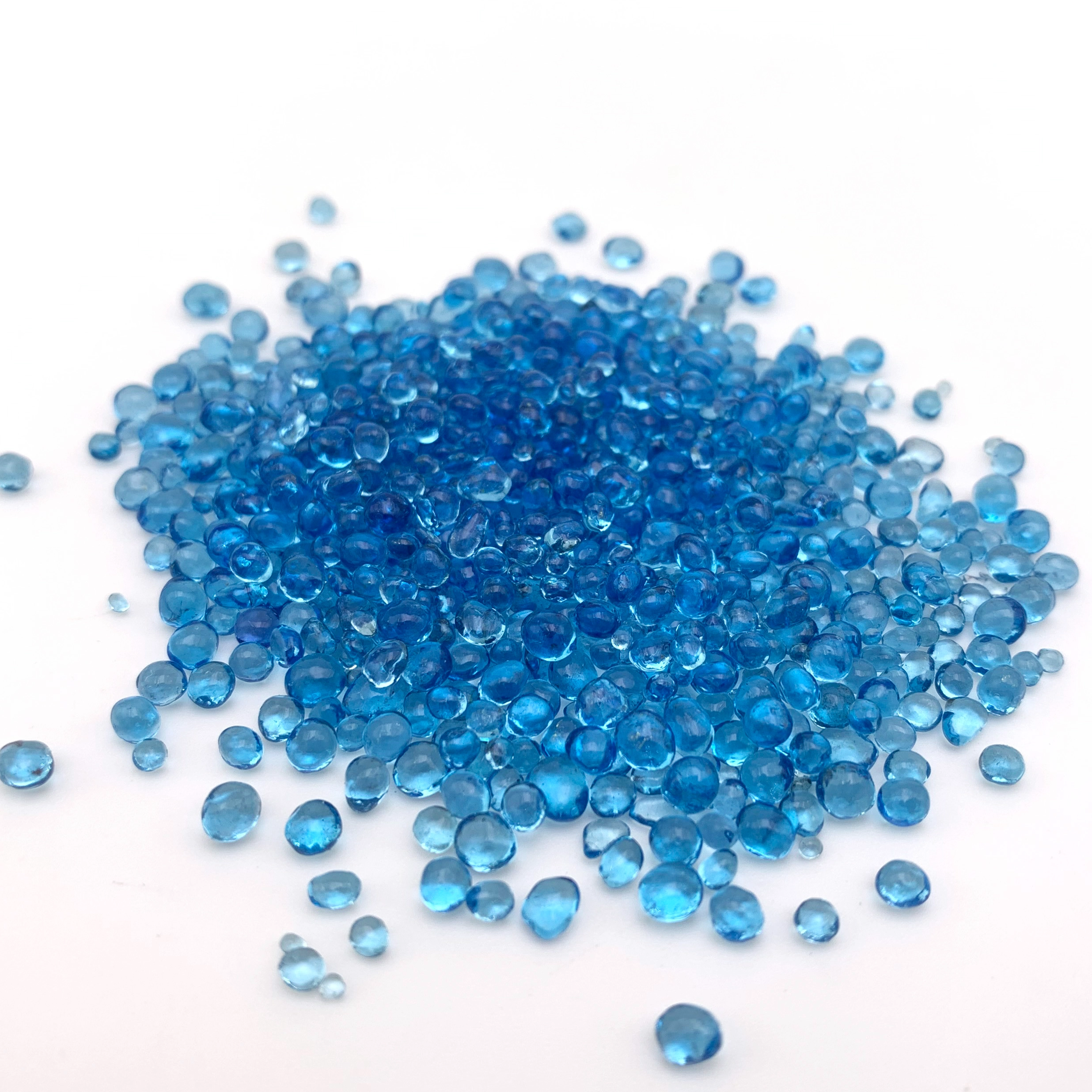
The primary reason conventional road paints fail during rainstorms is the specular reflection caused by standing water. When headlight beams hit a wet, standard painted surface, the water film acts exactly like a mirror. It scatters the light forward and away, rather than returning it to the driver’s eyes. An engineered reflective facade paint solves this fundamental physical problem by incorporating micro-crystalline glass beads directly into the polymeric paint matrix. These optical spheres are designed to protrude just enough from the binder surface to physically break the surface tension of the water. Consequently, the retro-reflective coating captures the incoming light beam, refracts it internally within the glass sphere, and reflects it directly back to the source. This optical engineering completely bypasses the blinding glare of the wet surface, ensuring the obstacle remains highly visible.
Achieving 180-Degree Wide-Angle Reflection
Unlike flat, two-dimensional traffic signage, vertical road structures—such as traffic stones, curved central barriers, and tunnel entrances—are approached by vehicles from various, constantly shifting angles. A premium reflective facade paint must perform flawlessly regardless of the vehicle’s specific trajectory or lane position. Through meticulous optical design and the precise refractive index (RI) of the embedded beads, modern formulations achieve a remarkable 180-degree wide-angle reflection. This means the retro-reflective coating remains highly luminous whether a vehicle is approaching head-on at high speed or navigating a sharp, tangential mountain curve. The paint ensures that light is continuously channeled back to the driver’s eyes, drastically reducing reaction times and preventing fatal collisions in complex, poorly lit terrains.
Why Water-Based Systems Are the Future of Infrastructure
Environmental Compliance and Zero-Hazard Sustainability
Historically, achieving a durable and highly luminous retro-reflective coating required heavy, solvent-based chemicals. These traditional paints released significant and harmful volatile organic compounds (VOCs) into the atmosphere during the curing process. Today’s global shift towards sustainable infrastructure and strict environmental protection laws demands greener alternatives. A modern, water-based reflective facade paint provides a completely hazardous-free material profile without sacrificing any optical performance. By eliminating toxic solvents, this eco-friendly retro-reflective coating protects the construction workers applying it, prevents soil contamination, and ensures full compliance with stringent international environmental regulations.
Superior Substrate Adhesion and Versatile Application
Another significant technical advantage of an advanced water-based reflective facade paint is its remarkable chemical compatibility with diverse infrastructure materials. Vertical structures are rarely uniform; they consist of highly porous concrete, dense natural stone, treated wood, oxidized steel, and even rigid plastics. A high-quality retro-reflective coating is formulated with superior cross-linking polymers that provide excellent covering ability. It penetrates the micro-pores of rough concrete and grips tightly to smooth steel without peeling or blistering. This versatile adhesion ensures that the reflective facade paint maintains a robust, weather-resistant bond. It securely anchors the micro-glass beads in place, preventing them from dislodging under heavy rain, intense UV exposure, or rapid temperature fluctuations.
Optimizing Highway Safety with CNTORY Technology
Industry-Leading Technical Specifications
When specifying materials for critical government or commercial infrastructure, quantitative optical data is absolutely non-negotiable. CNTORY provides a state-of-the-art reflective facade paint that significantly exceeds standard global safety benchmarks. Their proprietary retro-reflective coating delivers exceptional luminosity. Based on technical data, it boasts retro-reflectivity values of > 400 mcd/㎡*lx for silver-white variants and > 350 mcd/㎡*lx for high-alert yellow. These numbers translate to hundreds of meters of advanced warning for drivers traveling at highway speeds.
Economical Curing and Maintenance Cycles
Beyond optics, operational efficiency is critical for contractors. With a rapid surface dry time and a total curing time of less than 10 hours, the CNTORY reflective facade paint minimizes road closure times and reduces traffic disruption. Furthermore, the high solid content (exceeding 50%) guarantees a simple, low-cost application process with excellent single-coat coverage. Ultimately, choosing this advanced retro-reflective coating yields a long-lasting, life-saving visual barrier that significantly lowers the total lifecycle maintenance costs for highway management authorities.