





Стеклянные шарики для дорожной разметки: виды, характеристики, стандарты и руководство по выбору.
2026-08-10
Оглавление
Почему стеклянные бусины важны в дорожной разметке
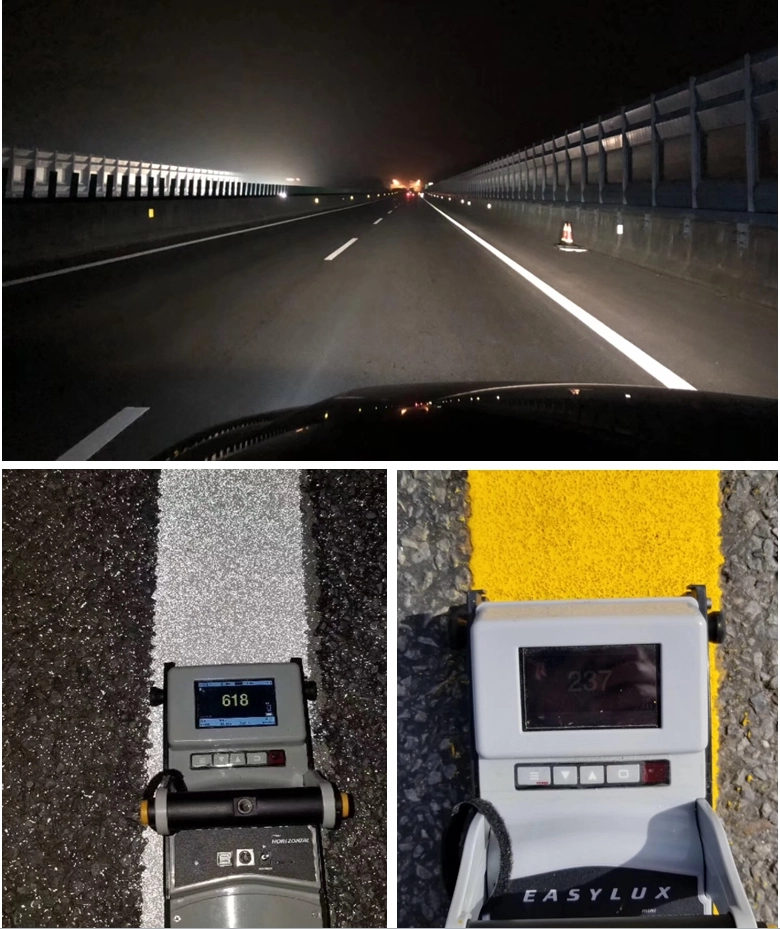
При движении по автомагистралям или городским улицам ночью яркая видимость дорожной разметки редко обусловлена только цветом краски. Хотя связующее вещество обеспечивает контрастность и долговечность днем, именно добавление стеклянных шариков для дорожной разметки определяет светоотражающие свойства линии под фарами автомобилей. Без этих микроскопических сфер свет просто рассеивался бы при попадании на поверхность дороги, делая разметку практически невидимой в темноте.
Эти важнейшие компоненты определяют безопасность вождения в ночное время, перенаправляя свет непосредственно в глаза водителя. Однако выбор подходящего продукта — сложный процесс. Это всеобъемлющее руководство охватывает основные типы, важнейшие технические характеристики, международные нормативные стандарты, методы применения и пошаговую схему выбора, которая поможет руководителям проектов и группам по закупкам подобрать оптимальные материалы для своих конкретных проектов по обеспечению безопасности дорожного движения.
Что такое стеклянные шарики для дорожной разметки?
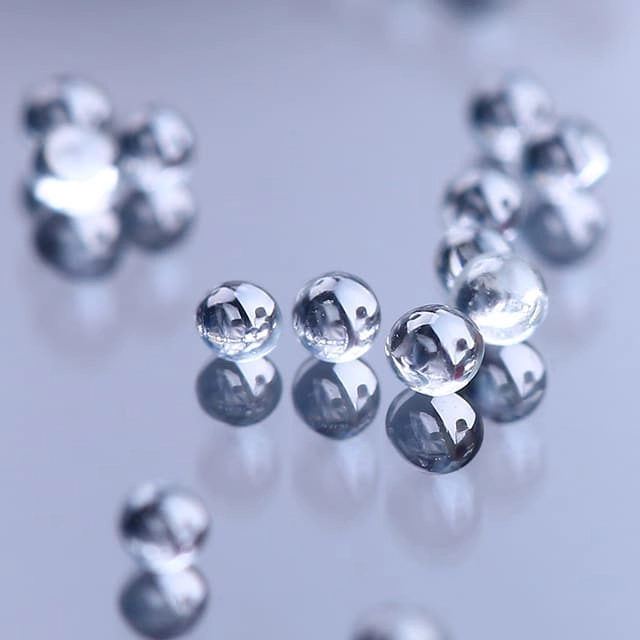
Стеклянные шарики для дорожной разметки Это прозрачные сферические стеклянные микросферы, специально разработанные для горизонтальных систем разметки на автомагистралях, местных дорогах, парковках и взлетно-посадочных полосах аэропортов. Обычно их изготавливают из переработанного стекла, которое измельчают, сортируют и плавят в печи для образования идеальных сфер. Их либо наносят каплями на влажную поверхность свеженанесенной разметки, либо предварительно смешивают с термопластичными и лакокрасочными материалами в процессе производства.
Как работает ретрорефлексия
Основная функция этих микросфер — обеспечение ретроотражательной способности. Это не просто “отражение” света шариком, как плоским зеркалом. Это точный трехступенчатый оптический механизм:
- Вход и преломление: Свет от фар автомобиля попадает на открытую изогнутую поверхность стеклянной сферы, преломляясь (изгибаясь) вниз по мере прохождения через плотную стеклянную среду.
- Отражение снизу: Сфокусированный луч света достигает задней части бусины, которая частично погружена в маркировочный материал. Белый или желтый пигмент под ней действует как отражающее зеркало, отражая свет обратно в стекло.
- Вернуться к источнику: Свет возвращается обратно через сферу, снова преломляется, выходя из верхней поверхности, и направляется в узкий, концентрированный конус по своему первоначальному пути прямо к глазам водителя.
Почему важны округлость, четкость и глубина прорисовки
Для безупречной работы описанного выше оптического механизма первостепенное значение имеют физические качества микросфер. Оптимальное ретроотражение и долговечность зависят от округлости, прозрачности, дефектов поверхности и правильной глубины внедрения.
Если сфера имеет неправильную форму, мутная или заполнена пузырьками воздуха, световой луч будет рассеиваться бесполезно, а не возвращаться к водителю. Кроме того, шарик должен быть установлен на оптимальной глубине — обычно от 501 до 601 Т3Т своего диаметра. Если он установлен слишком мелко, шарик быстро выпадет из-за трения при движении транспорта. Если же он установлен слишком глубоко, свет не сможет проникнуть в стекло. Такие спецификации, как AASHTO M 247, строго регулируют показатель преломления, градацию и качество шарика. Во многих проектах в США подрядчики также должны убедиться, что продукт включен в список одобренных продуктов конкретного государственного департамента транспорта (DOT).
Основные виды стеклянных шариков для дорожной разметки
Выбор правильной категории светоотражающих сфер — важнейший шаг в разработке системы дорожной разметки. В таблице ниже приведены основные различия, после чего мы рассмотрим их более подробно.
| Тип | Способ применения | Основная ценность | Типичные приложения | Ключевые проверки закупок |
| Стеклянные бусины, надеваемые в виде капель | Распыляется на поверхность сразу после нанесения разметки. | Обеспечивает мгновенное светоотражение в ночное время. | Термопластик, холодный пластик, дорожные краски | Градиент, показатель преломления, покрытие, совместимость с дозатором |
| Смешанные стеклянные бусины | Добавляется в маркировочный материал в процессе производства. | Постепенно обнажается по мере истирания маркировки. | Термопластичные линии, некоторые предварительно изготовленные системы | Соотношение компонентов смеси, совместимость смол, однородность смеси. |
| Стеклянные бусины с высоким показателем преломления | Разработан с использованием материалов с более высоким показателем преломления. | Превосходная яркость или специальные характеристики для работы в дождливую ночь. | Высококачественные автомагистрали, неосвещенные сельские дороги, аэропорты | Методика тестирования репродукции, проектные стандарты, анализ затрат и выгод. |
| Стеклянные бусины с покрытием | Поверхность обработана функциональными химическими веществами. | Улучшает адгезию, влагостойкость и текучесть. | Зоны с высокой влажностью, специальные смолы, термосистемы | Тип покрытия, термостойкость, соответствие связующего вещества. |
| Противоскользящие смеси бортиков | Смешано и нанесено с противоскользящими заполнителями. | Обеспечивает баланс между светоотражающей способностью и поверхностным трением. | Пешеходные переходы, перекрестки, зоны повышенного трения | Индекс сопротивления скольжению, соотношение компонентов смеси, применимые стандарты |
Стеклянные бусины, надеваемые методом капельного нанесения
Как следует из названия, стеклянные шарики, наносимые методом капельного нанесения, распределяются непосредственно по поверхности разметочного материала сразу после его укладки, пока связующее вещество еще влажное или расплавленное. Их основная функция — обеспечение мгновенной видимости в ночное время. Этот тип очень универсален и подходит для термопластичных, холоднокатаных пластиков (ММА) и различных дорожных красок на водной или сольвентной основе. На европейском рынке требования к стеклянным шарикам и противоскользящим заполнителям, наносимым методом капельного нанесения, регулируются стандартом EN 1423.
Смешанные стеклянные бусины
Стеклянные микросферы, входящие в состав смеси, интегрируются непосредственно в рецептуру термопластичных покрытий или предварительно изготовленных разметочных лент на заводе. Поскольку они находятся внутри связующего вещества, они не обладают первоначальной отражательной способностью. Вместо этого, по мере износа верхнего слоя дорожной разметки транспортными средствами в течение месяцев и лет, эти внутренние микросферы постепенно обнажаются, помогая поддерживать долговременные отражательные свойства. Важно подчеркнуть, что продукты на основе смеси не могут полностью заменить наносимые на поверхность микросферы; для достижения оптимальных результатов обычно требуется сочетание обоих методов, в зависимости от системы разметки и технических условий проекта.
Стандартные, высокоиндексные и влажные ночные шарики
Микросферы также классифицируются по показателю преломления (ПП) и условиям окружающей среды, для которых они предназначены. Стандартные изделия обычно имеют ПП около 1,5, чего достаточно для стандартного движения в сухую погоду. Например, данные Департамента транспорта Техаса показывают, что стеклянные шарики с ПП 1,50 широко используются в стандартной дорожной разметке на автомагистралях США.
Напротив, изделия с более высоким показателем преломления (от 1,6 до 1,9 и выше) изготавливаются из различных стеклянных материалов (например, стекла с добавлением бария или титана). Они используются в проектах, требующих исключительной яркости, на взлетно-посадочных полосах аэропортов или в особых условиях влажной ночи, когда стандартные сферические линзы теряют свои отражающие свойства под слоем дождевой воды.
Стеклянные бусины с покрытием
Вместо простого перечисления химических названий крайне важно понимать функцию обработки поверхности. Стеклянные шарики с покрытием подвергаются определенным химическим процессам для улучшения общих характеристик. К распространенным видам обработки относятся влагостойкие покрытия (для предотвращения слипания во время хранения и обеспечения беспрепятственного потока через дозаторы) и адгезионные покрытия (например, силановые связующие агенты, которые создают более прочную химическую связь между стеклом и смолой). Покупатели должны помнить: покрытие должно идеально соответствовать конкретному связующему веществу, температуре нанесения и методу изготовления.
Основные характеристики для оценки
Оценка продукции поставщика требует выхода за рамки общих маркетинговых терминов. Отделы закупок должны использовать следующие технические параметры в качестве строгого контрольного списка для закупок.
Показатель преломления (ПП)
Показатель преломления (RI) — это определяющий параметр способности шарика преломлять свет. Стандартные шарики имеют показатель преломления 1,5, специализированные версии достигают 1,6–1,7, а высокоэффективные шарики для аэропортов превышают 1,9. Однако покупателям не следует предполагать, что более высокий показатель преломления всегда лучше. Выбор должен определяться типом дороги, системой нанесения покрытия, бюджетными ограничениями, требованиями к работе в дождливую ночь и действующими стандартами проекта.
Размер и гранулометрический состав частиц
Размер частиц — это не вопрос принципа “чем больше, тем лучше”. Размер определяет, насколько хорошо сфера внедряется в конкретную толщину маркировочного материала, её доступность к поверхности, равномерность нанесения и риск преждевременного осыпания. Крупные частицы могут обеспечить отличную первоначальную яркость, но могут быть легко удалены снегоуборочными машинами, если не закреплены достаточно глубоко. Покупатели всегда должны требовать от поставщиков предоставления подробной таблицы гранулометрического состава, а не принимать расплывчатый диапазон, например, “600–850 мкм”.”
Округлость и качество бусины
Физическая целостность микросфер напрямую влияет на безопасность. Ключевые показатели качества включают округлость (сферичность), прозрачность и отсутствие пузырьков воздуха, непрозрачных (молочных) шариков, сломанных фрагментов или слившихся частиц. Многие рыночные спецификации требуют минимального соответствия округлости стандарту 80% в качестве базового показателя. Тем не менее, фактическая приемка на объекте должна строго осуществляться в соответствии с применимым стандартом и конкретным контрактом проекта.
Стойкость покрытия, влаго- и химической стойкости.
При закупке материалов покупатели должны запрашивать подробную документацию, касающуюся типов покрытий, содержания влаги, водостойкости и устойчивости к кислотам, щелочам и солям. Эти параметры особенно важны для проектов, расположенных в районах, интенсивно обрабатываемых противогололедными солями, прибрежных зонах с высокой соленостью или в условиях частых дождей, поскольку химическая деградация может быстро разрушить отражающие свойства.
Плотность, насыпная плотность и упаковка
Показатели физического веса напрямую влияют на логистику, калибровку дозирующего оборудования, расчет расхода материала на квадратный метр и управление запасами. Покупатели должны настаивать на том, чтобы поставщики четко различали истинную плотность (плотность самого стекла) и насыпную плотность (вес продукта в заданном объеме, включая воздух между сферами), чтобы избежать критических ошибок в расчетах цен или учете материалов при строительстве.
Стандарты и соответствие требованиям
При выборе материалов для дорожной разметки крайне важно не смешивать различные региональные стандарты. Всегда указывайте, что приоритет имеют конкретная версия стандарта, правила дорожного движения и тендерная документация проекта.
EN 1423 и EN 1424
В регионах, следующих европейским нормам, EN 1423 Он определяет требования к наносимым материалам, включая стеклянные шарики, противоскользящие заполнители и их смеси, наносимые на поверхность дорожной разметки. Он охватывает оптические свойства, гранулометрический состав и дефекты качества. В свою очередь, EN 1424 Это относится к предварительно смешанным стеклянным шарикам, добавляемым в маркировочные материалы в процессе производства. Понимание синергии между этими двумя стандартами имеет важное значение для разработки долговечных термопластичных систем в Европе.
ААШТО М 247
Для североамериканского рынка, ААШТО М 247 Это основная спецификация для закупки и приемки стеклянных шариков для дорожной разметки. Она классифицирует продукцию по различным “типам” в зависимости от их размера (например, тип 1 — стандартный, а тип 3 или 4 — более крупные размеры для улучшения видимости в сырую погоду). Важно отметить, что департаменты транспорта штатов часто имеют дополнительные технические положения или конкретные списки утвержденной продукции (APL). Например, Департамент транспорта Миннесоты (MnDOT) управляет соответствующей продукцией строго в соответствии с типами шариков AASHTO M247 и утвержденными смесями, изготовленными на заказ.
Требования, специфичные для проекта
В конечном итоге, перед покупкой покупатели должны проверить несколько локальных факторов. К ним относятся конкретный тип маркировочного материала, классификация дорог, целевые значения светоотражающей способности в сухую и влажную ночь (измеряемые в милликанделах), методы нанесения, местный климат, процедуры приемочных испытаний, а также наличие в тендере требований к предварительно утвержденным торговым маркам.
Как выбрать подходящие стеклянные бусины
Для оптимизации процесса закупок и обеспечения высокой конверсии запросов в успешно реализованные проекты, следуйте этому алгоритму принятия решений о закупках:
Шаг 1: Определите материал для маркировки
Для разных связующих веществ требуются разные характеристики клеевого слоя. Определите, используется ли в вашем проекте термопластик, холодный пластик/ММА, краска на водной основе, краска на основе растворителя, двухкомпонентные системы или готовая лента. Каждая система имеет уникальные механизмы склеивания, температуру нанесения и время открытой выдержки (время до полного отверждения связующего вещества).
Шаг 2: Определение метода применения
Определите оперативный подход: будет ли проект основываться исключительно на нанесении покрытия методом капельного внесения, только на смешанном нанесении или на комбинации смешанного и капельного нанесения? Попросите бригаду, занимающуюся нанесением покрытия, уточнить используемое строительное оборудование, тип используемых дозаторов для нанесения покрытия под давлением и ожидаемую равномерность распределения.
Шаг 3: Согласование дорожных и климатических условий.
Логика выбора должна быть адаптирована к условиям окружающей среды. Городские дороги с интенсивным движением и частыми остановками изнашиваются иначе, чем скоростные автомагистрали. Парковки, рулежные дорожки в аэропортах, зоны повышенного износа и регионы с частыми сильными дождями требуют специальных решений. Не стоит доверять утверждениям о том, что один тип покрытия может решить все проблемы отражения света в мокрую ночь во всех сценариях.
Шаг 4: Подтвердите требуемый стандарт
Никогда не соглашайтесь на расплывчатые требования. Если клиент заявляет: “Нам нужен стандарт EN 1423”, попросите его указать точные технические положения, класс, пределы дефектов и методы приемки, подробно описанные в местном варианте стандарта.
Шаг 5: Проверка образцов и документов
Перед оформлением крупного заказа запросите у поставщика полную документацию. Она должна включать сертификат анализа (COA), паспорт безопасности (SDS), технический паспорт (TDS), подробные отчеты о ситовом анализе, результаты испытаний на показатель преломления (RI), отчеты о степени округлости/дефектности, декларацию о покрытии, информацию о прослеживаемости партии и физические образцы для локального тестирования.
Применение стеклянных шариков для дорожной разметки
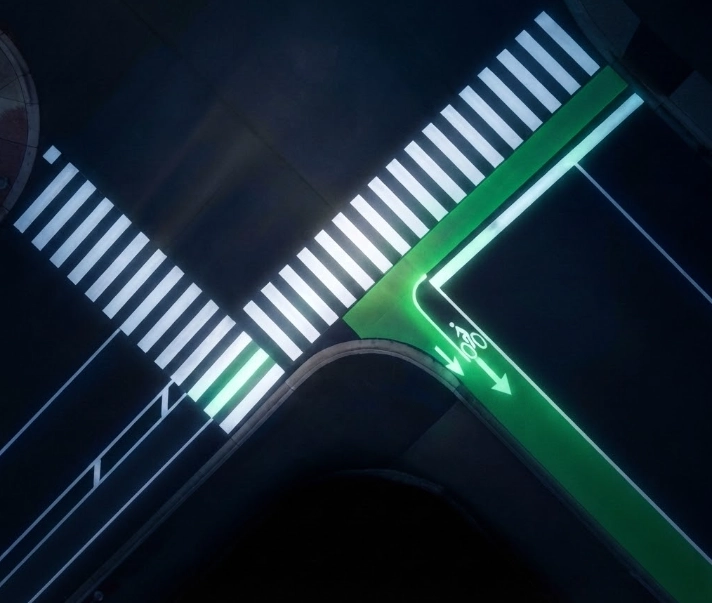
Применение этих изделий выходит далеко за рамки обычной разметки полос движения на автомагистралях. Они разработаны для самых разнообразных сценариев использования, включая сложные городские дороги, перекрестки с интенсивным движением, пешеходные переходы, выделенные велосипедные дорожки, коммерческие парковки, промышленные зоны, взлетно-посадочные полосы и рулежные дорожки аэропортов, а также хорошо заметную временную дорожную разметку, используемую в зонах строительства.
Рекомендации по применению для повышения отражательной способности
Даже самые высококачественные микросферы выйдут из строя при неправильном нанесении. С точки зрения строительства, бригады должны тщательно контролировать время схватывания связующего вещества, чтобы гарантировать, что сферы будут нанесены в тот момент, когда материал еще пригоден для использования. Дозаторы должны быть тщательно откалиброваны для обеспечения равномерного нанесения стеклянных шариков.
Для предотвращения загрязнения материалов и образования комков из-за влаги необходимо контролировать температуру и влажность окружающей среды на строительной площадке. Бригадам также следует наблюдать за ранним осыпанием гранул вскоре после нанесения, чтобы скорректировать давление или глубину заделки.
Примечание: Конкретные нормы нанесения, коэффициенты встраивания и температурные пределы всегда должны соответствовать техническим характеристикам маркировочного материала, руководству по эксплуатации оборудования и официальным техническим условиям проекта.
Контроль качества и распространенные проблемы
Даже при строгом соблюдении инструкций могут возникать проблемы в процессе эксплуатации. Используйте эту матрицу поиска и устранения неисправностей для решения распространенных проблем, возникающих в работе приложения.
| Проблема | Возможные причины | Направления улучшения |
| Недостаточная отражательная способность | Неправильная округлость бусины, неверный показатель преломления или неправильное встраивание (слишком глубоко/слишком мелко). | Проверьте характеристики гранул; отрегулируйте давление дозатора и толщину материала; проверьте вязкость связующего вещества. |
| Раннее сбрасывание бусин | Связующее затвердело до нанесения; отсутствует адгезионное покрытие; несовместимая смола. | Убедитесь, что капли краски отваливаются сразу после нанесения краски; для лучшего сцепления используйте капли с силановым покрытием. |
| Шероховатая поверхность для разметки | Размер капель слишком велик для толщины нанесенного слоя краски; возможно, произойдет переизбыток краски. | Проверьте размеры гранулометрического состава на сите; подберите размер гранул в соответствии с указанной толщиной влажной пленки связующего вещества. |
| Неравномерное распределение | Засорение дозирующих пистолетов; некалиброванное оборудование. | Очистите и откалибруйте распылительное оборудование; обеспечьте постоянное давление во время обработки. |
| Слипание / Агломерация | Высокое содержание влаги; неправильное хранение; отсутствие влагозащитного покрытия. | Хранить в сухом месте; для климата с высокой влажностью следует выбирать влагостойкие покрытия. |
| Высокий процент поломок | Чрезмерное давление при распылении под давлением; низкое качество стекла. | Сниженное давление дозирования; отчеты о качестве гранул по запросу, демонстрирующие минимальную сферичность 80% и низкий процент дефектов. |
Об авторе
С момента своего основания в 2013 году компания TORY занимается разработкой и производством стеклянных бусин и в настоящее время занимает одну из важнейших позиций в мировой индустрии стеклянных бусин, особенно в производстве высококачественных оптических светоотражающих стеклянных бусин для дорожной разметки. TORY обладает мощным научно-исследовательским потенциалом, что позволяет нам внедрять инновации в нашу продукцию и идти в ногу с изменениями рынка.

Свяжитесь с нами, чтобы узнать больше о деталях нанесения дорожной разметки с помощью стеклянных бусин.
ПОЗВОНИТЕ НАМ: Тел: +86 552 716 5551 Ватсап: +86 173 5528 7086
НАПИШИТЕ НАМ ЭЛЕКТРОННОЙ ПОЧТОЙ: echo@cntory.com
АДРЕС: № 609, улица Тяньхэ, Бэнбу, провинция Аньхой, Китай.
Часто задаваемые вопросы о стеклянных бусинах для дорожной разметки
В чём разница между стеклянными бусинами, наносимыми методом капельного нанесения, и стеклянными бусинами, смешивающимися между
Стеклянные шарики, наносимые методом капельного распыления, распыляются на поверхность свеженанесенной влажной краски или термопластика, обеспечивая мгновенную видимость в ночное время. В отличие от них, стеклянные шарики, смешиваемые с разметочным материалом, добавляются в разметочный материал в процессе производства. Они не обеспечивают мгновенного отражения, но становятся видимыми по мере износа дорожной разметки с течением времени, обеспечивая долговечность.
Почему стеклянные бусинки отваливаются от дорожной разметки?
Преждевременное отслаивание обычно происходит из-за неправильного внедрения. Если маркировочный материал высыхает или охлаждается до нанесения, шарики не могут опуститься на оптимальную глубину 50-60%. Кроме того, использование непокрытых шариков с некоторыми термопластами или их нанесение в условиях высокой влажности или низкой температуры может препятствовать образованию прочной химической и механической связи.
Какой показатель преломления лучше всего подходит для стеклянных бусин, используемых для дорожной разметки?
Единого “лучшего” показателя преломления не существует. Показатель преломления (RI) 1,5 является стандартом для большинства дорожных разметок на автомагистралях и в городских условиях, обеспечивая отличную видимость в сухую ночь. Однако для специализированных применений, таких как взлетно-посадочные полосы аэропортов или зоны, требующие высокой видимости в дождливую ночь, используются составы с высоким показателем преломления (RI) 1,6, 1,9 или выше, которые проникают сквозь водяную пленку и эффективно отражают свет.