





Стеклянные шарики RI 1.5: Лучший выбор для высококачественной краски для дорожной разметки.
2026-06-08
Оглавление
Когда вы едете ночью по темной извилистой дороге, линии, указывающие вам путь, — это не просто краска. Это важнейший элемент безопасности, и их видимость во многом зависит от крошечного, но очень важного компонента: стеклянных шариков. В мире безопасности дорожного движения и нанесения дорожной разметки..., Стеклянные бусины с показателем преломления 1,5 Они зарекомендовали себя как отраслевой стандарт. Эти высокоспециализированные сферы сконструированы таким образом, чтобы отражать свет обратно к водителю, значительно улучшая видимость в ночное время и предотвращая бесчисленные аварии.
В этом всеобъемлющем руководстве подробно рассматривается, почему стеклянные шарики с показателем преломления 1,5 являются стандартным выбором для дорожной разметки, изучаются их научные свойства, преимущества, области применения и почему они остаются незаменимыми для обеспечения безопасности дорожного движения во всем мире.
Понимание светоотражающей способности: наука безопасности
Чтобы понять важность стеклянных шариков с показателем преломления RI 1,5, необходимо сначала разобраться в ретроотражательной способности. В отличие от стандартного отражения (например, от зеркала) или диффузного отражения (например, от матовой стены), ретроотражение направляет свет обратно к источнику. Когда фары автомобиля освещают дорожную разметку, содержащую стеклянные шарики, свет попадает в шарик, отражается от краски на его нижней стороне и преломляется обратно к глазам водителя.
Почему показатель преломления важен
Показатель преломления (ПП) — это мера того, насколько сильно свет преломляется при прохождении через материал.
- РСИ 1,5: Это стандартный показатель преломления для обычного кронового стекла. При использовании в дорожной разметке стеклянные шарики с показателем преломления 1,5 обеспечивают оптимальную светоотражающую способность при частичном внедрении в связующее вещество краски. Они разработаны для эффективной работы в сухих условиях, обеспечивая максимальное отражение света водителю.
- Более высокий РС (например, 1,9 или 2,2): Гранулы с более высокими показателями преломления часто используются в специфических целях, например, для покрытия взлетно-посадочных полос аэропортов или специальной разметки для использования в дождливую погоду. Однако для общего использования на автомагистралях показатель преломления 1,5 обеспечивает наилучший баланс производительности, долговечности и экономической эффективности.
Основные преимущества использования стеклянных шариков RI 1.5 в дорожной разметке
Широкое распространение стеклянных шариков с показателем преломления 1,5 не случайно. Они обладают множеством преимуществ, что делает их предпочтительным выбором для муниципалитетов, подрядчиков и инженеров по безопасности дорожного движения.
1. Исключительная видимость в ночное время.
Основная функция любой дорожной разметки — улучшение видимости. Гранулы с показателем преломления 1,5 действуют как миллионы крошечных линз, улавливая лучи фар и перенаправляя их на водителя. Это создает яркую, непрерывную линию, определяющую границы полос движения, пешеходные переходы и разметку, что крайне важно при ночной езде или в условиях плохой видимости. Эти разметки действительно... стеклянные бусины с высокой отражательной способностью при правильном применении.
2. Экономически эффективная производительность
По сравнению с альтернативными светоотражающими материалами или шариками с более высоким показателем преломления, стеклянные шарики с показателем преломления 1,5 предлагают отличное соотношение цены и качества. Они эффективно производятся из переработанного стекла или специализированного сырья, обеспечивая высокоэффективное решение для повышения безопасности при приемлемых затратах. Это позволяет дорожным управлениям наносить разметку на большее количество километров дорог в рамках своих бюджетов, сохраняя при этом стандарты безопасности.
3. Прочность и долговечность
Дорожная разметка подвергается суровым условиям: постоянному движению транспортных средств, ультрафиолетовому излучению, снегоуборочным машинам и резким перепадам температуры. Стеклянные шарики с показателем преломления 1,5 невероятно прочны. Они достаточно крепки, чтобы выдерживать абразивное воздействие шин и погодных условий. При правильном нанесении на высококачественную краску или термопластичные связующие вещества они продлевают срок службы самой дорожной разметки.
4. Универсальность в отношении различных типов связующих материалов.
Одним из существенных преимуществ гранул с показателем преломления 1,5 является их совместимость с различными материалами для дорожной разметки. Их можно эффективно наносить капельным способом или предварительно смешивать с:
- Краски на водной основе: Это характерно для городских дорог и парковок.
- Краски на основе растворителей: Используется в местах, где требуется быстрое высыхание.
- Термопластичная маркировка: Благодаря своей толщине и долговечности, идеально подходит для автомагистралей с интенсивным движением.
- Эпоксидные и полимочевинные смолы: Высокоэффективные связующие вещества для экстремальных условий.
5. Экологическая устойчивость
Многие производители выпускают стеклянные бусины с индексом RI 1,5, используя переработанный стеклянный стеклобой. Это не только сокращает количество отходов на свалках, но и снижает энергозатраты на производство. Использование переработанных материалов делает эти бусины экологически ответственным выбором для инфраструктурных проектов.
Процесс производства высококачественных стеклянных бусин
Не все стеклянные бусины одинаковы. Процесс производства существенно влияет на качество, округлость и прозрачность конечного продукта — все эти параметры необходимы для оптимального светоотражающего эффекта.
Общий процесс включает в себя:
- Подготовка сырья: Высококачественное стекло (часто переработанное оконное или бутылочное стекло) измельчается в мелкий стеклобой.
- Плавление и сферидизация: Стеклобой пропускают через высокотемпературную печь (часто с температурой выше 1200 °C). Высокая температура расплавляет частицы стекла, а поверхностное натяжение стягивает их в идеальные сферы, когда они падают через охлаждающую камеру.
- Охлаждение и сбор: Образовавшиеся шарики быстро охлаждают, чтобы затвердеть и приобрести сферическую форму.
- Просеивание и сортировка: Бусинки сортируются по размеру с помощью ряда сит. Для различных видов дорожной разметки требуется определенное распределение размеров (градиентность), чтобы обеспечить максимальную отражательную способность в течение всего срока службы разметки.
- Покрытие (опционально): Многие стеклянные шарики с индексом преломления 1,5 обрабатываются специальными покрытиями (например, силаном или силиконом) для улучшения их сцепления со связующим веществом краски, предотвращения слипания во время нанесения или повышения влагостойкости.
Важность округлости и четкости
Для того чтобы стеклянная бусина эффективно отражала свет, она должна быть идеально круглой и максимально прозрачной.
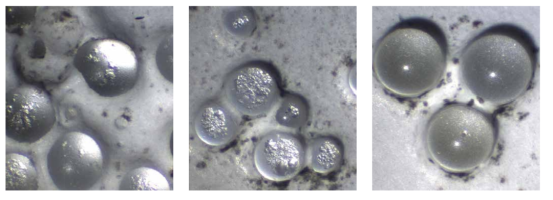
- Округлость: Неправильной или угловатой формы частицы рассеивают свет в случайных направлениях, уменьшая количество света, возвращаемого к драйверу. Высококачественные шарики с показателем преломления 1,5 отличаются высоким процентом истинно сферических частиц (обычно >80% или >90%, в зависимости от спецификации).
- Ясность: Стекло должно быть свободно от примесей, пузырьков или включений, которые могут препятствовать прохождению или поглощать световой луч через бусинку.
Правильное нанесение: залог максимальной отражательной способности.
Даже самые качественные стеклянные шарики выйдут из строя, если их неправильно нанести. Светоотражающие свойства зависят от точного взаимодействия между шариком и связующим веществом краски.
Правило встраивания
Для оптимальной работы стеклянных шариков с показателем преломления 1,5 необходимо, чтобы они были внедрены в краску или термопластичный материал точно на 50-601 Т3 Т своего диаметра.
- Недостаточное внедрение (<50%): Если капли краски располагаются слишком высоко на поверхности краски, они не обладают достаточной прочностью и быстро смещаются под воздействием транспорта, что приводит к быстрой потере светоотражающих свойств.
- Избыточное внедрение (>60%): Если бусинки слишком глубоко погружаются в связующее вещество, краска покрывает верхнюю поверхность бусинки, блокируя проникновение света. Бусинки становятся неэффективными, пока краска не сотрется.
Методы применения
Стеклянные шарики обычно наносятся с помощью специализированного оборудования на грузовиках для нанесения дорожной разметки:
- Приложение для подачи заявки: Это наиболее распространенный метод. Машина для нанесения разметки наносит краску на дорожное полотно, и сразу после этого компьютеризированный дозатор капает точно отмеренное количество стеклянных шариков на влажную линию разметки.
- Системы предварительного смешивания: В некоторых термопластичных или двухкомпонентных системах определенный процент гранул добавляется в материал перед нанесением. Гранулы по-прежнему наносятся на поверхность в виде капель для обеспечения первоначальной отражательной способности до тех пор, пока предварительно смешанные гранулы не обнажатся в результате износа.
Факторы, влияющие на применение
Для обеспечения правильного внедрения в процессе нанесения необходимо тщательно контролировать несколько факторов:
- Вязкость краски и толщина пленки: Толщина влажного слоя краски должна соответствовать размеру используемых капель.
- Скорость работы приложения: Скорость разметочного грузовика должна соответствовать скорости подачи краски и капель.
- Ветер и погода: Сильный ветер может разносить капли краски, а экстремальные температуры могут повлиять на время высыхания краски, изменяя степень её закрепления.
- Градуировка бусин: Использование правильного сочетания размеров бусин гарантирует, что часть из них будет эффективна сразу, в то время как более мелкие бусины будут обнажаться по мере износа более крупных, сохраняя отражательную способность с течением времени.
Технические условия и стандарты
Для обеспечения безопасности и эксплуатационных характеристик производство и применение стеклянных шариков с показателем преломления 1,5 регулируются строгими международными и национальными стандартами. Эти стандарты определяют требуемый показатель преломления, округлость, размерную градацию, прозрачность и наличие специальных покрытий.
Общие международные стандарты
- AASHTO M247 (США): Стандарт Американской ассоциации государственных автомобильных дорог и транспортных чиновников (AAHC) устанавливает требования к стеклянным шарикам, используемым в дорожной краске. В нем определены типы (в зависимости от градации) и требования к качеству.
- EN 1423 и EN 1424 (Европа): Европейские стандарты, определяющие требования к наносимым материалам (стеклянным шарикам, противоскользящим заполнителям и смесям) и предварительно смешанным стеклянным шарикам для дорожной разметки.
- Стандарт BS 6088 (Великобритания – отменен, но по-прежнему упоминается): Британский стандарт для твердых стеклянных шариков, используемых в составах для дорожной разметки.
- JIS R 3301 (Япония): Японский промышленный стандарт для стеклянных шариков, используемых в дорожной разметке.
Выбор бусин, соответствующих этим признанным стандартам, гарантирует использование надежного, проверенного продукта, который обеспечит ожидаемую высокую отражательную способность стеклянных бусин.
Сравнение показателя преломления 1,5 с другими типами бусин.
Хотя стеклянные шарики с индексом износостойкости 1,5 являются бесспорным стандартом для сухих дорожных условий, полезно понимать, чем они отличаются от специализированных альтернатив.
Таблица: Сравнение стеклянных шариков
| Особенность | Стеклянные бусины с показателем преломления 1,5 | Бусины с показателем преломления RI 1,9 (высокоиндексные). | Элементы видимости в дождливую ночь |
|---|---|---|---|
| Основное применение | Общая дорожная разметка, городские улицы, сухая погода | Взлетно-посадочные полосы аэропортов, зоны повышенной опасности | Районы, подверженные сильным ливням |
| Отражательная способность (сухой) | Отличный | Очень высокий | Хороший |
| Отражательная способность (во влажном состоянии) | Плохое качество (вода покрывает шарик, нарушая преломление света). | Умеренный | Отлично (конструкция предусматривает выступание над поверхностью воды). |
| Расходы | Наиболее экономически выгодный | Высокий | Очень высокий |
| Долговечность | Высокий | Стекло средней твердости (часто более мягкое) | Высокий |
| Типичный размер | Разнообразные (от типа 1 до типа 4) | Обычно меньшего размера | Часто это кластеры или более крупные элементы. |
Как видно из таблицы, хотя бусины с высоким показателем преломления обеспечивают превосходную начальную яркость, а элементы, предназначенные для использования в дождливую ночь, сохраняют видимость во время дождя, Стеклянные бусины RI 1.5 для дорожного покрытия Разметка остается наиболее сбалансированным, экономически эффективным и широко применимым решением для подавляющего большинства объектов глобальной инфраструктуры.
Будущее дорожной разметки и стеклянных бусин
Индустрия дорожной разметки постоянно развивается, чему способствуют необходимость повышения безопасности, экологические проблемы и появление беспилотных автомобилей.
Автономные транспортные средства и машинное зрение
Передовые системы помощи водителю (ADAS) и автономные транспортные средства в значительной степени полагаются на камеры и датчики (например, LiDAR) для “считывания” дорожной обстановки. Четкая, высокоотражающая разметка полос движения необходима для корректной работы этих систем, особенно ночью или в неблагоприятных погодных условиях. По мере распространения технологий машинного зрения спрос на высококачественное нанесение стеклянных шариков с показателем преломления 1,5 будет только расти. Линии должны быть видны не только человеческому глазу, но и цифровому.
Достижения в области нанесения покрытий на шарики
Производители постоянно разрабатывают новые покрытия для улучшения характеристик гранул с показателем преломления 1,5. К ним относятся усовершенствованные влагостойкие покрытия, предотвращающие слипание в условиях высокой влажности, и передовые силансодержащие связующие вещества, создающие более прочную химическую связь между гранулой и связующими материалами нового поколения, такими как полимочевина.
Устойчивые практики
Стремление к устойчивому развитию продолжается. Можно ожидать дальнейшей оптимизации производственных процессов для снижения энергопотребления и более широкого использования специализированного, высокопрозрачного переработанного стекла для производства бусин.
Заключение
Скромная стеклянная бусина — это чудо инженерной мысли и незамеченный герой в обеспечении безопасности дорожного движения. Стеклянные бусины с показателем преломления 1,5 Благодаря многолетней проверенной эффективности, они заслужили статус стандартного выбора для дорожной разметки. Они предлагают непревзойденное сочетание исключительной светоотражающей способности в ночное время, долговечности, универсальности и экономичности.
Будь то освещение сельской дороги, оживленного городского перекрестка или управление сложными датчиками беспилотного автомобиля, эти крошечные сферы остаются незаменимыми. Понимая научные основы светоотражающей способности и обеспечивая правильное применение в соответствии со строгими стандартами, мы можем и дальше полагаться на стеклянные шарики с показателем преломления 1,5, чтобы безопасно осветить путь домой.
Об авторе
Г-н Ли | Основатель TORY
Г-н Ли обладает более чем 35-летним опытом в области исследований, разработок и производства стеклянных бусин. С 1987 по 2001 год он работал в престижном Китайском институте дизайна и исследований стекла Бэнбу, где занимался разработкой стеклянных бусин для дорожной разметки. В период с 2002 по 2012 год, занимая должность главного инженера в городе Мяньян, провинция Сычуань, он руководил производством стеклянных бусин с высоким показателем преломления (RI 1,9) и успешно изобрел новые элементы AW. В 2013 году г-н Ли основал компанию TORY, ориентированную на инновации. Под его руководством и благодаря мощным научно-исследовательским разработкам, TORY превратилась в мирового лидера в индустрии высококачественных оптических светоотражающих стеклянных бусин для дорожной разметки.
Часто задаваемые вопросы
1. Почему дорожная разметка исчезает во время дождя, и помогают ли стеклянные шарики с показателем преломления 1,5?
Стандартные стеклянные шарики с показателем преломления 1,5 основаны на преломлении света при попадании в стекло из воздуха. Во время сильного дождя стеклянные шарики покрываются пленкой воды. Поскольку показатель преломления воды (приблизительно 1,33) близок к показателю преломления стекла (1,5), свет больше не преломляется достаточно резко, чтобы отразиться обратно к водителю; вместо этого он рассеивается вперед. Хотя стандартные шарики с показателем преломления 1,5 отлично подходят для сухих условий, для обеспечения высокой видимости во время сильного дождя требуются специальные светоотражающие элементы для “дождливой ночи” или профилированные метки, выступающие над уровнем воды.
2. Как долго обычно сохраняются стеклянные бусины на дорожном покрытии?
Срок службы стеклянных шариков напрямую зависит от срока службы краски или связующего вещества, в которое они вмонтированы. В местах с интенсивным движением, окрашенных стандартной краской на водной основе, разметка (и, следовательно, эффективность шариков) может сохраняться всего от 6 месяцев до года. Однако при нанесении на прочные материалы, такие как термопластик или эпоксидная смола на автомагистралях, светоотражающие свойства могут сохраняться от 3 до 5 лет и более. Правильное первоначальное встраивание (50-60%) имеет решающее значение; если шарики нанесены неправильно, они будут почти сразу же смещены транспортными средствами.
3. Существуют ли стеклянные бусины с показателем преломления 1,5 разных размеров, и почему размер имеет значение?
Да, стеклянные бусины производятся и поставляются в различных размерных градациях (часто обозначаемых как типы, например, AASHTO Type 1, Type 3 и т. д.). Размер имеет решающее значение для эффективности. Правильная градация включает в себя смесь крупных и мелких бусин. Крупные бусины обеспечивают мгновенную отражательную способность сразу после нанесения разметки. По мере износа краски в течение месяцев и лет от движения транспорта, крупные бусины могут смещаться, но более мелкие бусины, которые изначально были глубоко въевшимися, обнажаются, обеспечивая непрерывную отражательную способность на протяжении всего срока службы разметки.