





MMA 냉간성 플라스틱 도로 표지 도료 설명: 구성, 성능 및 적용 분야
2026-08-24
목차
메틸 메타크릴레이트(MMA)가 중요한 이유
메틸 메타크릴레이트 교통 표지 도료는 정확히 무엇이며, 왜 고부하 인프라 시설의 표준으로 자리 잡고 있을까요? 차량 통행량이 극심한 지역에서는 일반 수성 페인트나 기존의 열가소성 수지 도료가 조기에 손상되는 경우가 많습니다. 높은 교통량, 교차로에서의 급격한 회전력, 그리고 화학 물질 노출로 인해 기존 페인트는 쉽게 벗겨지거나 변색되거나 마모됩니다. 메틸 메타크릴레이트 시스템은 이와는 완전히 다릅니다. 용매 증발이나 용융 상태에서의 냉각에 의존하지 않고, 빠른 발열 화학 반응을 통해 경화되기 때문에 2액형, 반응성 또는 비가열성 플라스틱 소재로 분류됩니다.
교통량, 회전력, 제동 마모, 연료 노출 및 잦은 유지보수가 주요 고려 사항인 경우, MMA 도로 표지 이 기술은 기존 도로 표지 시스템을 대체하는 고성능 대안을 제공합니다. 탁월한 내구성과 빠른 경화 시간을 결합하여 교통량이 많은 도로, 횡단보도 및 산업 지역의 안전과 운영을 보장하고 교통 혼잡을 최소화합니다. 이 종합 가이드에서는 이러한 첨단 도로 표지 시스템의 화학적 구성, 주요 성능 이점, 적용 방법 및 필수 구매 고려 사항을 자세히 살펴봅니다.
MMA 시스템이란 무엇인가요?
메틸 메타크릴레이트 스트라이핑의 정의

메틸 메타크릴레이트(MMA로 약칭)는 내구성이 뛰어나고 반응성이 높은 고분자 시스템의 기본 구성 요소인 유기 화합물입니다. 교통 인프라 분야에서 이러한 시스템은 일반적으로 2성분 액상 매트릭스 형태로 사용됩니다. 기본 수지와 특정 촉매(또는 개시제)는 시공 직전 또는 시공 중에 혼합됩니다. 혼합된 후, 두 물질은 급속한 중합 반응을 일으켜 가교 결합을 통해 기판에 강력하게 접착되는 매우 견고한 플라스틱 필름을 형성합니다.
업계 용어 명확화
조달 및 엔지니어링 사양을 이해하려면 전 세계 여러 시장에서 공통적으로 사용되는 용어를 파악하는 것이 중요합니다. 다음은 자주 접하게 되는 핵심 용어입니다.
- MMA 도로 표지: 이는 해당 재료에 사용된 주요 반응성 수지 시스템을 식별하는 핵심 설명 문구입니다.
- 냉간성 플라스틱 도로 표지유럽과 영국 전역에서 널리 사용되는 용어로, 상온에서 가열 없이 진행되는 화학 경화 공정을 강조합니다.
- 2성분 도로 표지엔지니어링 사양서 및 조달 문서에서 수지 기반과 경화제를 혼합해야 하는 필요성을 강조하기 위해 자주 사용됩니다.
- MMA 도로 표지북미 시장에서 선호되는 표현으로, 핵심 수지 용어와 종종 혼용됩니다.
중합 공정은 어떻게 진행될까요?
섭씨 200도(화씨 400도) 이상의 온도에서 녹여야 하는 열가소성 수지나 증발로 건조되는 수성 페인트와는 달리, 2액형 수지 시스템은 화학적으로 경화됩니다. 이 공정은 간단한 작업 흐름을 따릅니다.
- 수지 기제, 안료 및 충전제를 준비하고 교반합니다.
- 촉매(개시제)는 제조업체가 지정한 정확한 비율로 첨가됩니다.
- 혼합된 재료는 적절하게 준비된 포장면에 즉시 도포됩니다.
- 중합 반응은 혼합 즉시 시작되어 발열 반응을 일으킵니다.
- 지정된 경화 기간이 지나면 해당 라인은 교통 통행이 가능한 완전히 고체화된 상태가 됩니다.
경화 속도는 매우 가변적입니다. 특정 화학 조성, 재료 온도, 포장 온도, 촉매 투입량, 습도, 도막 두께 및 풍향에 따라 변동합니다. 예를 들어, 여러 주 교통부(DOT) 규격에 따르면 이러한 2액형 재료는 일반적으로 25°C(77°F)에서 30분 이내에 경화되어야 합니다. 특정 고급 고촉매 배합물은 동일한 온도에서 15분 이내에 차량 통행이 가능한 상태에 도달할 수 있습니다.
이러한 고성능 라인은 무엇으로 만들어졌나요?
기본 수지 시스템
수지는 제품의 구조적 골격 역할을 합니다. 열을 가하지 않고도 단단한 필름을 형성하는 데 필요한 화학적 메커니즘을 제공합니다. 이 수지의 품질과 조성은 도로와의 최종 접착력, 전반적인 내마모성, 자외선 안정성(내후성), 그리고 저온 유연성을 결정합니다. 제조업체는 수지의 특성을 조절함으로써 작업자의 작업 가능 시간(가열 시간)과 최종 제품의 기계적 강도를 제어할 수 있습니다. 또한, 수지는 선명한 흰색, 생생한 노란색, 안전 빨간색, 자전거 도로 녹색, 장애인 주차 파란색 또는 맞춤형 색상으로 제조할 수 있습니다.
촉매 또는 개시제
촉매(주로 과산화벤조일, 또는 BPO)는 단순히 선택적인 첨가제가 아니라 반응 속도와 작동 범위를 결정하는 핵심적인 화학적 촉매제입니다. 구매 담당자와 설치팀은 다음 사항을 반드시 숙지해야 합니다.
- 혼합 비율은 제품의 기술 데이터 시트(TDS)를 엄격히 준수해야 합니다.
- 촉매를 너무 많이 첨가하면 재료가 급속 경화되어 갈라질 수 있고, 너무 적게 첨가하면 끈적거리고 굳지 않는 상태가 되어 경화되지 않습니다.
- 극한의 주변 온도(여름철 고온 또는 겨울철 동결)에서는 계절별 특수 배합이나 촉매 비율 조정이 필요합니다.
- 작업자는 안전 데이터 시트(SDS)를 엄격히 준수해야 하며, 적절한 환기, 개인 보호 장비(PPE) 착용 및 가연성 화학 물질의 안전한 보관을 보장해야 합니다.
안료, 충전제 및 기능성 첨가제
수지는 구조를 제공하는 반면, 첨가제는 특정한 기능적 특성을 제공합니다.
- 고품질 이산화티타늄(흰색)과 유기/무기 안료(노란색)는 주간 시인성과 색상 유지력을 결정합니다.
- 특수 충전재는 재료의 요변성(점도 및 처짐 저항성)을 제어하여 두꺼운 모서리가 평평해지지 않도록 할 뿐만 아니라 내마모성 및 전체 재료 비용에도 영향을 미칩니다.
- 평활제, 침전 방지제 및 자외선 안정제는 시공 중 재료가 올바르게 흐르도록 하고 수년간 사용하면서 햇빛에 의한 변색을 방지합니다.
유리 구슬 및 미끄럼 방지 골재
야간 시야 확보와 보행자 안전은 전적으로 상부 살포 또는 혼합 살포 방식의 미립자에 달려 있습니다.
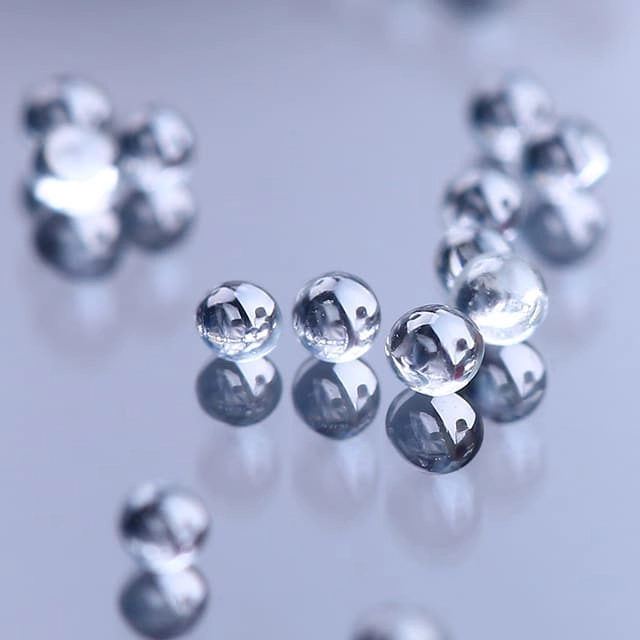
- 유리 구슬: 차량 헤드라이트 빛을 운전자에게 되돌려주는 역반사 기능에 필수적입니다.
- 드롭온 비즈: 라인을 설치한 직후 젖은 표면에 바로 적용하여 야간 시야를 즉시 확보할 수 있습니다.
- 혼합 비즈: 도포 전에 액체 수지에 혼합하여 표면이 수년간의 통행으로 서서히 마모됨에 따라 새로운 반사 비드가 지속적으로 노출되도록 합니다.
- 미끄럼 방지 골재: 횡단보도, 자전거 도로 및 대중교통 정류장의 마찰력을 높이기 위해 표면에 분쇄된 유리, 보크사이트 또는 커런덤을 뿌립니다.
경질 폴리머 시스템에서 최적의 성능을 발휘하려면 드롭온 비드의 표면 처리가 매우 중요합니다. 예를 들어, 캘리포니아 교통국(Caltrans)은 이러한 반응성 시스템에 사용되는 드롭온 비드에 제조업체가 권장하는 특수 코팅을 적용하도록 명시적으로 요구합니다. 이는 비드의 고정력을 극대화하여 제설차나 대형 트럭 타이어에 의해 쉽게 떨어져 나가는 것을 방지합니다.
폴리머 처리된 교통선의 주요 이점
빠른 경화 및 차선 폐쇄 시간 단축
경화 과정이 열 발산이나 수분 증발이 아닌 전적으로 화학 반응에 의존하기 때문에 이러한 소재는 놀라울 정도로 빠르게 경화됩니다. 차선 재개방이 신속하게 이루어지므로 장시간 교통 통제 필요성이 크게 줄어들고, 교통 혼잡이 최소화되며, 장시간 차선 폐쇄와 관련된 안전 위험이 감소합니다. 따라서 이 기술은 도심 교차로, 24시간 운영되는 물류 허브, 활주로가 있는 공항, 그리고 시간에 민감한 야간 건설 현장에 이상적입니다.
아스팔트 및 콘크리트에 대한 강력한 접착력
이 기술의 진정한 가치는 다양한 기판에 대한 강력한 접착력에 있습니다. 열적 부적합성으로 인해 콘크리트와 접착이 어려운 열가소성 수지와 달리, 메틸 메타크릴레이트는 적절하게 처리된 아스팔트와 콘크리트 모두에 강력한 화학적 및 기계적 결합을 형성합니다. 그러나 시공 전에 콘크리트, 시멘트질 표면, 기존 차선 도색, 기름때가 묻은 부분 등을 꼼꼼히 평가하는 것이 중요합니다. 단순히 표면만 닦아낸다고 해서 "어떤 표면에도" 접착된다는 것은 사실이 아니며, 항상 적절한 표면 처리가 필요합니다.
높은 내마모성 및 내교통성
이러한 냉간 성형 플라스틱은 타이어 자국, 강한 회전 전단력, 극한의 제동 마찰력, 그리고 대형 화물차(HGV)의 지속적인 하중을 포함한 가혹한 기계적 힘을 견딜 수 있도록 설계되었습니다. 다음과 같은 분야에서 탁월한 성능을 발휘합니다.
- 교차로 정지선 및 방향 화살표.
- 로터리, 고속도로 진입로, 급커브.
- 급행버스(BRT) 전용차로 및 화물 터미널.
- 항구, 창고 하역장 및 산업 현장.
- 주차장 입구 및 요금소 진입로.
화학적 및 환경적 저항성
일반적인 단일 성분 도로용 페인트는 자동차 유체에 노출되면 빠르게 분해됩니다. 하지만 반응성 2액형 시스템은 휘발유, 경유, 엔진 오일, 부동액 및 부식성 제빙염에 대한 탁월한 내성을 자랑합니다. 이러한 화학적 내성 덕분에 주유소, 중공업 단지 및 겨울철 도로 제설에 염분을 많이 사용하는 지역에서 탁월한 선택으로 자리매김하고 있습니다.
긴 서비스 수명 및 낮은 수명주기 유지보수 비용
초기 재료비는 일반 수성 페인트보다 상당히 높지만, 진정한 비용은 수명주기 분석을 통해 평가해야 합니다.
생애주기 비용 = 재료비 + 적용비 + 교통 통제비 + 유지보수비
마모가 심한 구역에서는 재도색 빈도가 획기적으로 줄어들고, 반복적인 교통 관리 및 차선 폐쇄가 필요 없어 총 수명 주기 비용이 크게 절감됩니다. 수명을 연 단위로 고정해서 보장하는 것은 바람직하지 않지만, 내구성은 교통량, 바탕면의 건전성, 도포 두께, 기후 조건 및 정기적인 유지 보수에 따라 크게 달라집니다.
반응성 수지 시스템의 일반적인 적용 분야
| 응용 시나리오 | 권장 형식 | 주요 프로젝트 관심사 |
| 도시 간선도로 및 교차로 | 선, 화살표, 정지선, 분기 영역 | 타이어 전단 저항성, 신속한 교통 재개, 고하중 지지력 |
| 고속도로 및 진입로 | 차선, 가장자리 선, 요철 노면 | 야간 반사율, 유리 비드 유지력, 극한 기후 저항성 |
| 보행자 횡단보도 | 흰색 블록, 색깔 있는 마찰 영역 | 보행자 미끄럼 방지, 내마모성, 높은 시각적 대비 |
| 자전거 전용 차선 | 녹색 또는 빨간색으로 표시된 차선 | 자외선 차단, 미끄럼 방지, 명확한 영역 구분 |
| 버스 전용차선(BRT) | 단색 영역, 텍스트, 셰브론 | 극한의 하중 지지력, 연료/기름 유출 저항성, 바퀴 자국 저항성 |
| 주차 및 상업 지역 | 주차선, 방향 화살표, 주차 금지 구역 | 깔끔한 디자인, 뛰어난 내구성, 빠른 설치 |
| 공항 및 물류 허브 | 유도로선, 적재구역 표시 | 높은 하중 저항성, 화학적 내성, FAA/항공 규격 준수 |
| 산업 및 창고 바닥재 | 안전 보행로, 지게차 통로, 위험 요소 | 지게차 타이어 내화학성, 화학물질 유출 방지, 밝은 시각적 식별 |
재료의 종류 및 적용 방법
분무 적용
분무 시스템은 장거리 종방향 라인(중심선, 가장자리 라인) 및 대규모 고속도로 프로젝트에 이상적입니다. 장비는 두 구성 요소를 정확하게 계량하고, 분무기에서 즉시 혼합하고, 깨끗하게 도포해야 합니다. 작업자는 라인 폭, 습식/건식 필름 두께, 그리고 도포 입자의 동시 분포를 엄격하게 제어해야 합니다.
스크리드(압출 박스) 적용
스크리드 시공은 두꺼운 구조적 표시, 가로선 및 넓은 면적을 만드는 데 사용됩니다. 드래그 박스를 이용하여 지정된 두께(일반적으로 60~120밀)로 재료를 도포합니다. 이는 횡단보도, 두꺼운 정지선, 글자, 화살표 및 색상이 있는 마찰 구역에 사용되는 표준적인 방법으로, 가장자리의 선명도와 평탄도에 세심한 주의를 기울여야 합니다.
압출 응용 분야
스크리드 공법과 유사하지만 종종 자동화되는 압출 공법은 혼합 재료를 특수 슈를 통해 밀어내어 정밀하게 가공된 두꺼운 플라스틱 리본을 형성함으로써 충격이 심한 모서리 라인에 탁월한 내구성을 제공합니다.
롤러 및 수동 도포
작은 부분 보수, 복잡한 주차장 기호, 스텐실 텍스트 또는 매우 복잡한 색상 영역의 경우, 재료를 양동이에 넣고 혼합한 후 강력한 롤러나 흙손을 사용하여 도포할 수 있습니다. 이러한 수동 도포 방식은 활용도가 높지만, 기계 장비에 비해 효율성이 떨어지고 두께가 고르지 않을 수 있습니다.
프로파일형, 구조형 및 고마찰 마킹
이 범주에는 고부가가치 특수 디자인이 포함됩니다.
- 구조화된 줄: 표면이 흩뿌려진 듯한 또는 골이 진 질감으로 되어 있어 빗물이 잘 빠져나가 유리구슬에 물이 고이는 것을 방지하고, 따라서 젖은 야간에도 탁월한 시야를 유지합니다.
- 고마찰 표면 처리(HFST): 횡단보도, 학교 구역, 사고 다발 도로의 커브길 등에서 제동 거리를 획기적으로 줄이기 위해 사용됩니다.
- 프로파일링된 시스템: 드리프트하는 운전자에게 경고하기 위해 소리와 진동을 발생시키는 돌출된 부분을 만드세요.
표면 준비 및 설치 과정
전문적인 설치는 5년 동안 지속되는 마킹과 5일 만에 실패하는 마킹을 가르는 결정적인 요소입니다.
1단계 — 포장도로 점검
장비를 하역하기 전에 작업자는 노면 상태(아스팔트 대 콘크리트), 포장 구조의 건전성, 습기, 기름, 먼지 또는 느슨한 골재의 존재 여부를 평가해야 합니다. 기존 표시는 완전히 제거해야 하는지 또는 기계적으로 긁어내야 하는지 판단하기 위해 평가해야 합니다.
2단계 — 표면 청소 및 준비
바탕면은 흠잡을 데 없이 깨끗하고 건조하며 기계적 강도가 양호해야 합니다. 콘크리트 표면, 심하게 산화된 오래된 페인트 또는 기름때가 묻은 부분의 경우, 작업자는 기계식 연삭, 쇼트 블라스팅 또는 고압 세척(완전 건조 후)을 사용해야 합니다. 밀도가 높은 콘크리트 표면의 경우 화학적 접착력을 확보하기 위해 특수 프라이머를 사용해야 할 수도 있습니다.
3단계 — 수지와 촉매를 올바르게 혼합하십시오
시공자는 주변 온도에 따른 촉매 투입량에 대해 공급업체의 기술 데이터 시트(TDS)를 엄격히 준수해야 합니다. 교정된 혼합 장비를 사용하는 것은 필수입니다. 작업자는 절대로 재료의 가사 시간을 초과해서는 안 되며, 다른 브랜드 또는 호환되지 않는 화학 시스템을 혼합해서는 안 됩니다.
4단계 — 적절한 두께로 도포하기
도막 두께는 내구성, 색상 은폐력, 비드 밀착도, 그리고 전체 프로젝트 비용에 큰 영향을 미칩니다. "모든 경우에 적용되는 단일 두께"에 의존해서는 안 됩니다. 긴 선에 스프레이 도장을 하는 경우에는 25~40밀이 필요할 수 있지만, 고강도 교차로 횡단보도에는 90~120밀이 필요할 수 있습니다. 항상 엔지니어의 사양을 따르십시오.
5단계 — 유리 구슬 또는 골재를 도포합니다
반사 비드 또는 마찰 응집체는 폴리머가 아직 액체 상태일 때 즉시 도포해야 합니다. 도포자는 비드가 수지에 정확히 50%에서 60%까지 박혀 고정되도록 도포 속도를 조절해야 하며, 비드의 윗부분은 빛 반사를 위해 노출된 상태로 유지해야 합니다.
6단계 — 보수, 점검 및 차량 통행 개방
교통 콘을 제거하기 전에 검사관은 색상, 선의 직선도, 두께, 비드 도포 상태 및 완전한 화학적 경화 여부를 확인해야 합니다. 많은 교통 당국은 엄격한 테스트 기준을 적용합니다. 예를 들어, 아이오와 교통부(Iowa DOT) 규격은 이러한 시스템이 흰색 선의 경우 최대 경화 시간 30분, 최소 미끄럼 방지 등급 45 BPN, 초기 건조 반사율 350 mcd/lux/m² 이상을 달성해야 한다고 규정하고 있습니다.
메틸 메타크릴레이트와 다른 재료 비교
| 비교 지표 | 메틸 메타크릴레이트 시스템 | 열가소성 마킹 | 수성/용제 페인트 |
| 치료 메커니즘 | 발열 화학 반응 (2부) | 열에 의해 녹고, 냉각에 의해 굳어집니다. | 물/용매의 증발 |
| 응용 프로그램 온도. | 주변 온도 (난방 미사용) | 400°F(200°C) 이상에서 녹여야 합니다. | 주변 온도 |
| 초기 비용 | 높은 | 중상급 | 낮은 |
| 고응력 내구성 | 특별한 | 높지만 전단력에 취약함 | 교통량이 많은 지역에서는 매우 낮습니다. |
| 교통 재개 | 매우 빠름 (15-30분), 온도에 따라 다름 | 빨리 식는다 | 느림 (습도/햇볕에 매우 민감함) |
| 기판 호환성 | 아스팔트, 콘크리트, 특수 표면 | 주로 아스팔트 | 대부분의 표면에 사용 가능하지만 마모가 빠릅니다. |
| 최적의 사용 용도는 다음과 같습니다. | 교차로, 횡단보도, 중장비 구역 | 고속도로 장거리 운행, 일반 도로 | 교통량이 적은 도로, 임시 차선, 주차 |
“MMA가 모든 프로젝트에 자동으로 최적의 솔루션은 아닙니다. 적합한 도로 표지 시스템은 교통량, 포장 상태, 필요한 가시성, 기후, 장비 가용성, 프로젝트 예산 및 예상 유지 보수 주기에 따라 달라집니다.”
올바른 솔루션을 선택하는 방법
기질을 평가하세요
새로 포장한 아스팔트, 오래된 콘크리트, 산업용 창고 바닥 또는 기존 표시 위에 덧씌우는 등 작업 환경에 따라 필요한 배합이 다릅니다. 콘크리트의 경우 최적의 접착력을 얻으려면 거의 항상 강력한 기계적 표면 처리가 필요합니다.
교통량 및 마모 조건을 정의하십시오.
실제 운행 환경에서 해당 노선이 겪게 될 가혹한 조건을 평가하십시오. 교통량이 적은 주택가인지, 아니면 대형 트럭, 지게차, 그리고 끊임없는 회전으로 인한 전단력이 발생하는 물류 허브인지 고려해야 합니다. 자외선 노출, 극심한 동결-해동 주기, 제빙 화학물질 또는 항공유에 대한 일상적인 노출과 같은 환경적 스트레스 요인도 고려해야 합니다.
가시성 요구 사항을 결정합니다.
지역 안전 규정을 참조하여 주간에 높은 대비가 필요한지, 어두운 시골길을 위한 특정 재귀반사율이 필요한지, 또는 젖은 야간 시야 확보를 위한 구조화된 프로파일이 필요한지 확인하십시오. 특수 색상(대중교통 빨간색, 자전거 도로 녹색) 또는 고마찰 안전 구역이 의무화되어 있는지 여부도 결정하십시오.
프로젝트 사양을 확인하십시오
구매팀은 항상 제조업체의 기술 데이터 시트(TDS)와 안전 데이터 시트(SDS)를 요청하고 확인해야 합니다. 견적된 제품이 요구되는 혼합 비율, 도포 두께, 비드 코팅 권장 사항을 충족하는지, 그리고 접착력, 재귀반사율 및 미끄럼 방지 기준을 확인하는 제3자 시험 데이터가 있는지 확인하십시오.
흔히 발생하는 문제점과 예방 방법
| 일반적인 문제 | 개연성 있는 사유 | 예방 조치 |
| 건조 속도가 느리거나 건조하지 않음 | 촉매 비율 오류, 영하의 온도, 유효기간이 지난 촉매, 불량한 혼합. | TDS 비율을 엄격히 준수하고, 주변/포장면 온도를 모니터링하며, 유효 기간을 확인하십시오. |
| 접착 불량(벗겨짐) | 바닥이 젖어 있거나, 기름/먼지가 있거나, 콘크리트 표면 처리가 부적절한 경우. | 철저한 기계적 청소, 연삭 또는 쇼트 블라스팅을 의무화하고 수분 함량을 검사하십시오. |
| 끈적임/부드러운 표면 | 화학적 불균형, 극심한 습도, 적정 온도 범위를 벗어난 적용. | 정확하게 보정된 장비를 사용하고, 짙은 안개나 비가 내릴 때는 작업을 중단하십시오. |
| 비드 손실 / 낮은 반사율 | 잘못된 비드 코팅 사용, 비드 도포 지연, 두께 부족. | 제조업체에서 승인한 코팅 비드를 사용하고, 비드 건과 스프레이 노즐을 정확하게 동기화하십시오. |
| 엣지 치핑 | 교통 하중에 비해 너무 얇게 도포되었고, 하부 아스팔트가 약하며, 제설 차량으로 인한 손상이 있습니다. | 적절한 두께를 지정하고, 차선 도색 전에 부서진 포장면을 보수하십시오. |
표준 및 성능 테스트
고품질 차선 도색 프로젝트에는 검증 가능한 성능 지표가 필요하며, 이는 종종 주, 지방 또는 국가 고속도로 기관에서 규정합니다. 국제 표준을 따르기보다는 항상 해당 프로젝트 소유자의 매뉴얼을 기준으로 삼아야 합니다. 고품질 시스템은 일반적으로 엄격한 ASTM(미국 재료 시험 협회) 또는 이에 상응하는 현지 표준에 따라 테스트됩니다. 주요 테스트 항목은 다음과 같습니다.
- 초기 및 유지된 색상 밝기.
- 건조 및 습윤 상태의 역반사율(밀리칸델라 단위로 측정).
- 미끄럼 방지 성능 (영국식 진자 시험기를 통해 측정).
- 아스팔트와 콘크리트 모두에서 인장 접착 강도.
- 가속 풍화작용 및 화학 물질 침지에 대한 저항성.
저자 소개
2013년 설립 이후, TORY는 유리구슬 개발 및 제조에 전념해 왔으며, 특히 도로 표지용 고품질 광학 역반사 유리구슬 분야에서 세계 유리구슬 산업의 중요한 역할을 담당하는 기업으로 성장했습니다. TORY는 강력한 연구 개발 역량을 바탕으로 제품 혁신을 지속하고 시장 변화에 발맞춰 나가고 있습니다.

더 자세한 정보를 원하시면 저희에게 연락하십시오.s
전화주세요 : 전화: +86 552 716 5551 왓츠앱: +86 173 5528 7086
이메일로 문의하기 : echo@cntory.com
주소: 벵부시 톈허로 609번지,
MMA 냉간성 플라스틱 도로 표지 관련 FAQ
이 재료, 냉간성 플라스틱 도로 표지 도료, 그리고 2액형 도로 표지 도료의 차이점은 무엇입니까?
화학적으로나 기능적으로는 일반적으로 동일합니다. 용어만 지역과 산업 분야에 따라 다를 뿐입니다. 냉간성 플라스틱 도로 표지 이 용어는 주로 유럽에서 사용되며, (열가소성 수지와 달리) 가열솥에서 녹일 필요가 없는 소재임을 강조합니다. 2성분 도로 표시 이 용어들은 엔지니어와 시공업자들이 제품의 경화 과정을 촉발하기 위해 기본 수지에 화학 촉매를 혼합해야 함을 명시할 때 사용합니다. 이 모든 용어들은 반응성 고분자 시스템을 지칭합니다.
MMA 노면 표시는 아스팔트와 콘크리트 모두에 적용할 수 있나요? 그리고 내구성은 얼마나 되나요?
네, 아스팔트와 콘크리트 모두에 적용할 수 있다는 점이 기존 열가소성 수지에 비해 가장 큰 장점 중 하나입니다. 하지만 아스팔트는 일반적으로 기본적인 쓸기 및 공기 분사만으로 충분하지만, 콘크리트는 경화제를 제거하고 수지가 잘 접착될 수 있도록 표면을 거칠게 만들기 위해 쇼트 블라스팅이나 그라인딩과 같은 강력한 기계적 처리가 필요합니다. 수명에 관해서는 정해진 기간이 없습니다. 내구성은 교통량, 도포 두께, 제설 작업, 그리고 표면 상태에 따라 달라집니다. 페인트가 3개월 만에 마모되는 교통량이 많은 교차로에서도 적절하게 시공된 반응성 폴리머 시스템은 3~5년 이상 지속될 수 있습니다.
경화 과정은 얼마나 걸리며, 이러한 시스템에는 유리 구슬이 필요한가요?
경화 시간은 놀라울 정도로 빠르며, 일반적으로 실온(섭씨 25도)에서 15분에서 30분 정도 소요됩니다. 따라서 시공 직후 교통 차선을 거의 즉시 재개통할 수 있습니다. 경화 속도는 촉매 비율을 조절하여 추운 날씨나 더운 날씨에 맞춰 조정할 수 있습니다. 유리 비드는 야간에도 차선이 잘 보이도록 하려면 반드시 필요합니다. 액체 수지 자체는 빛을 반사하지 않기 때문입니다. 유리 비드는 시공 직후 젖은 표면에 떨어뜨려야 하며, 단단한 플라스틱 매트릭스에 영구적으로 접착되도록 특수 코팅이 되어 있어야 합니다.

